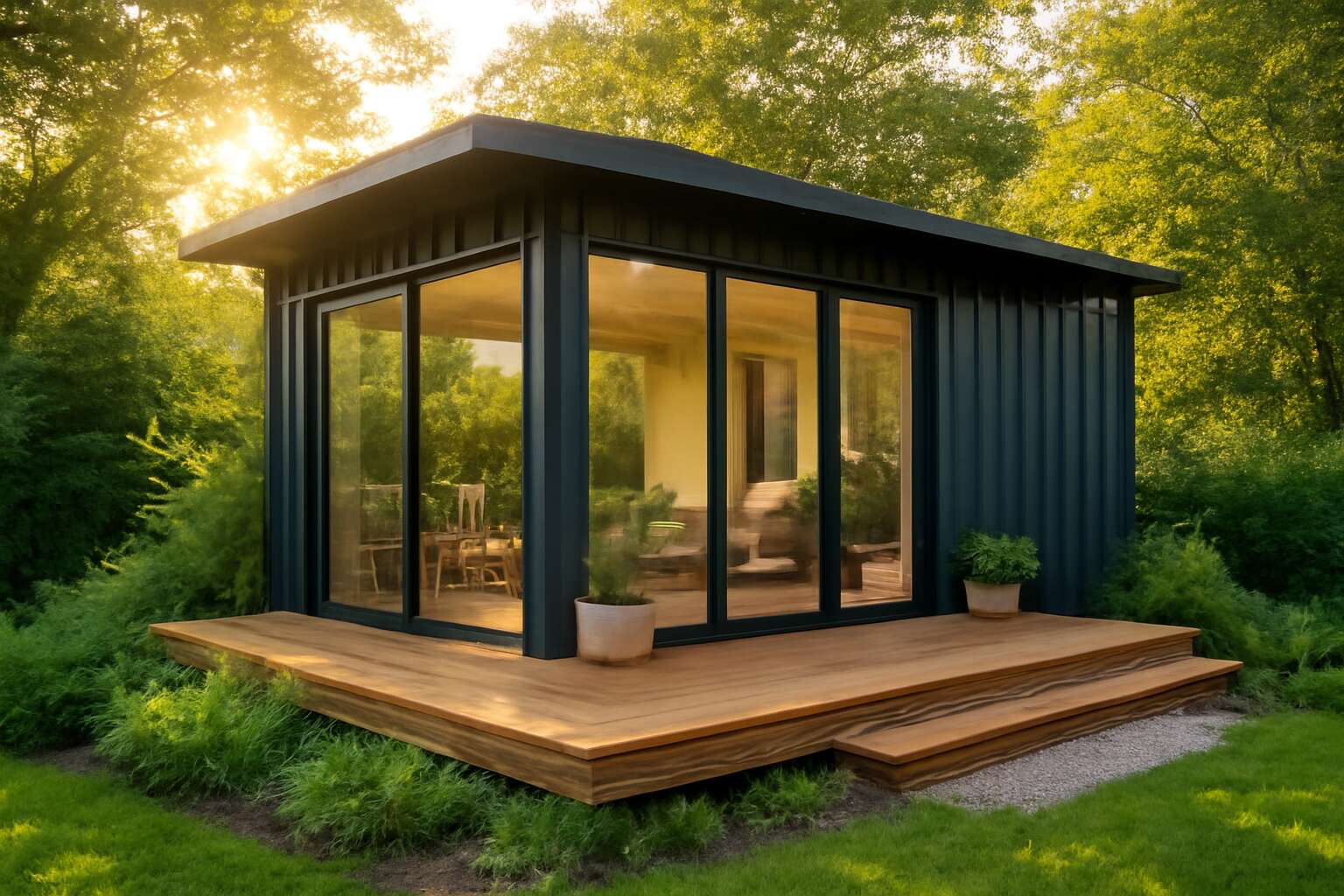
Understanding shipping container conversions for rent
Why choose converted containers for rental needs
Across South Africa’s energetic business landscape, modular spaces are reshaping how teams work and gear is stored. A striking stat: modular builds can shorten project timelines by up to 40%, cutting downtime and budget surprises. In the market, “converted shipping containers to rent” are described as rugged, quick to deploy, and surprisingly versatile—sturdy shells, secure doors, and plug-and-play electricals that spark instant practicality.
Here are core advantages this approach brings:
- Rapid installation and flexible layouts
- Weather resilience and security across SA climates
- Cost-effective scalability for seasonal demand
In practical terms, I’ve seen how the option blends speed, resilience, and flexibility without heavy upfront capital. It adapts to SA transport routes and environments, letting businesses pilot spaces quickly.
Key benefits over traditional modular spaces
A brisk current runs through SA business spaces, and I witness efficiency wearing a smile. In the practical world of sites and offices, converted shipping containers to rent emerge as living proof that space can arrive ready, resilient, and quietly magical — a sturdy shell with secure doors and plug-and-play guts.
Understanding their edge over traditional modular spaces reveals design that travels with you. They arrive in a defined footprint, yet the interior can morph—from office pods to compact workshops—with minimal disruption to projects underway.
- Designs that shift with minimal downtime across uses
- Rugged shells and secure access for remote or busy sites
- Transport-friendly dimensions suited to SA road networks
- Plug-and-play utilities sparing on-site wiring and rework
That blend of speed and solidity grows confidence, letting teams test layouts, capture feedback, and scale as demand swells—without the heavy capital that anchors long-term commitments.
Common sizes and configurations for rental units
South Africa sites are sprinting toward smarter spaces, and the stat says it all: converted shipping containers to rent can slash setup times by up to 60%. Understanding shipping container conversions for rent reveals why—predictable footprints, modular interiors, and plug-and-play guts. These shells arrive ready to work, with secure doors and a quiet confidence that even the tightest project calls can relax.
Common sizes and configurations for rental units keep projects nimble. Consider these standard footprints:
- 20ft (6.1m) standard container for compact offices or storage
- 40ft (12.2m) single-module or as a two-unit expansion for larger offices
- High-cube variants (9.6ft tall) for extra headroom and mezzanine options
With these common sizes and configurations, teams test layouts and scale as demand swells—without tying up capital in long leases. The result is space that travels with you and remains quietly robust on SA sites.
Environmental and sustainability considerations
South African sites are learning to move ideas faster—one container at a time. Case studies show up to 60% quicker site readiness when using converted shipping containers to rent, a quiet testament to thoughtful reuse over brute expansion.
Environmental and sustainability considerations shape every shell—from the materials chosen to the lifecycle beyond installation.
- Lifecycle assessment and recycled content
- Insulation and ventilation for SA climates
- Durability against heat, corrosion, and local weather
- Transport emissions and modular reuse over time
These considerations thread through a project’s ethos—cutting waste without compromising safety, and choosing materials that endure. In the SA landscape, sustainability isn’t a trend; it’s a discipline that shapes what it means to rent space with responsibility.
Regulatory and safety compliance basics
Compliance is the quiet driver behind any successful modular rollout in South Africa. A project manager once quipped, “Speed without safety is hollow momentum!” When you consider converted shipping containers to rent, the regulatory cadence—permits, inspections, and zoning checks—keeps timelines honest and budgets intact.
Key regulatory and safety basics shape the fit and finish more than you might think:
- Permissions and zoning approvals from municipal authorities
- Electrical, fire safety, and utility commissioning aligned to SA standards
- Structural integrity tests and accessible egress requirements
Working within these boundaries is not a drag on creativity, but a framework for durable, respectful spaces. With the right partners—licensed engineers, approved installers, and diligent record-keeping—the project reflects care for people, place, and the planet.
Use cases and applications for rented converted containers
Temporary offices for events and construction sites
Across South Africa, teams are discovering a quiet magic in converted shipping containers to rent: spaces that arrive weather-ready and whisper-ready for both festivals and long-build projects. Deploy quickly, dismantle gently, and I’ve seen productivity rise as space flexes to the project’s timetable.
Here are common use cases that blend form and function:
- On-site offices and project command centers
- Temporary meeting rooms for client briefings
- Break areas and cloakrooms for crews
- Secure storage for tools, equipment, and materials
From coastal resorts to mining pockets, these units prove you can sculpt space as you need it, with security, comfort, and weather resilience baked in. The concept—converted shipping containers to rent—offers a portable, professional veil over chaos, turning temporary footprints into enduring momentum.
On-site storage and mobile workshops
On a windy Cape site or a sun-scorched mining yard, these rented units prove that storage and workflow can coexist with weather resilience. I’ve watched crews turn chaos into momentum in minutes, with on-site storage and mobile workshops ready to roll—no waiting for cranes or permanent rebuilds! converted shipping containers to rent become quiet workhorses, decluttering the chaos and turning morning hustle into steady momentum.
Across South Africa, from coastal resorts to inland pockets, the units flex with the project timetable. They provide a secure, weather-ready space for on-site fabrication, quick repairs, and tool-access right where the work happens. When you opt for converted shipping containers to rent, you gain a portable, professional veil over chaos, a sturdy stage for materials and people to move in harmony with the day’s demands.
Pop-up shops and hospitality setups
In South Africa, pop-up venues are blooming, with a 32% year-on-year uptick in short-term experiences. They are the converted shipping containers to rent, offering a portable stage for chefs and baristas, a weather-ready storefront, and a space that can be on wheels—perfect for coastal winds or arid yards alike.
- Pop-up cafés and markets that travel with the day
- Mobile hospitality hubs at festivals or rural weddings
- Seasonal gift shops and merchandise kiosks that relocate with ease
Teams turn blank corners into inviting scenes in minutes, with a compact container turning into a host for orders, conversations, and memories, all without the weight of traditional brick and mortar.
Event and festival infrastructure needs
South Africa’s festival calendar swelled 32% last year, proving mobile hospitality is writing the future. Converted shipping containers to rent rise to the challenge, becoming portable stages for chefs and weatherproof counters that travel with the wind, turning empty lots into warm venues.
- Mobile beverage bars and tasting stations
- Ticketing booths and guest information hubs
- Back-of-house storage and crew hubs
- Pop-up merchandise boutiques and sponsor showcases
These units perform with quiet elegance, deployed from coast to frontier—flexible presence that enlarges the event’s heart. For organizers, the appeal lies in an unobtrusive promise: weather-smart solutions that adapt to crowds and landscapes without clutter.
Specialized containment and quiet workspaces
South Africa’s festival calendar swelled 32% last year, proving mobile hospitality writes the future. Converted shipping containers to rent become quiet havens of containment and craft: sound-quiet edit bays, temperature-stable tasting pods, and weatherproof workrooms that shield crews from wind and dust. Placed on vacant lots, they transform chaos into ordered spaces without the footprint of a permanent build.
- On-site broadcasting and interview pods
- Private tasting rooms and chef stations
- Emergency command corners and data hubs
Across coasts and inland plains, these units carry quiet elegance, inviting collaborations to unfold within their measured walls. For productions that prize speed, control, and polish, these converted shipping containers to rent offer a discreet stage for innovation and a durable answer to shifting crowds.
How to choose a reliable rental provider
Assessing build quality and materials
South Africa’s project timelines are notoriously tight; 7 in 10 rental ventures stall because of unreliable suppliers. Selecting a dependable rental provider is essential when chasing efficiency with converted shipping containers to rent. The right partner ensures structural integrity, safety, and long-term value on site—turning looming delays into a smooth, almost magical operation.
Assessing build quality and materials starts with a careful inspection and a few pointed questions.
- Structural integrity: look for clean welds, straight frames, and no corrosion at joints.
- Exterior–interior durability: check paint systems, sealants, and moisture barriers.
- Insulation and flooring: verify climate-rated insulation and a floor in good condition for heavy use.
- Warranty and service: confirm coverage, response times, and accessible aftercare.
A transparent provider will share test reports, certifications, and notes from site visits, helping to avoid surprises.
Inspecting insulation, ventilation, and HVAC readiness
Across South Africa, 7 in 10 rental ventures stall because of unreliable suppliers, turning ambitious projects into budget-sinkholes. When choosing a provider for converted shipping containers to rent, prioritize transparency and a track record as much as price. A dependable partner discusses insulation performance, ventilation logic, and HVAC readiness—crucial for maintaining comfort and safety on site, regardless of the climate or the tempo of the build.
- Robust insulation specifications and climate data tailored to South Africa’s weather.
- Ventilation strategies and moisture control with documented QA testing.
- HVAC readiness including pre-wired connections and accessible aftercare.
A transparent provider shares test reports, certifications, and notes from site visits, helping to avoid surprises on site and keep projects moving when timelines tighten.
Customization options and modular add-ons
On busy builds, surprises cost more than a coffee run. When choosing a provider for converted shipping containers to rent, look for clarity as much as price. A dependable partner lays out customization options and modular add-ons upfront, so teams know what’s possible and what it will cost—right from the first walkthrough to the last snag list!
Customization options and modular add-ons include:
- Interior layouts and partitions that adapt to offices, workshops, or storage
- Electrical, plumbing, and pre-wiring for future HVAC or solar setups
- Exterior finishes, branding, stairs, ramps, and security features
- Modular add-ons like mezzanines, movable walls, and plug-and-play systems
In South Africa, the proof is in the paperwork: transparent test reports, certifications, and notes from site visits. A provider that shares this data helps avoid surprises on site and keeps projects moving when timelines tighten.
Rental terms, pricing, and delivery logistics
In SA, 60% of container projects miss deadlines because rental terms are murky. When scouting converted shipping containers to rent, the loudest truth you’ll hear is this: clarity beats price every time. A dependable partner speaks plainly about inclusions, exclusions, and delivery timelines, right from the first quote.
Ask for a transparent breakdown: rental terms, daily rates, transport charges, and the exact delivery window. Get written commitments for lead times, site-access requirements, and installation support. Favor providers who document contingencies for weather or back-to-back site bookings so your project sails forward with confidence. The promise of a smooth handover is part of the package for converted shipping containers to rent.
Consider these checks:
- Transparent pricing and milestone invoicing
- Delivery timeline, installation responsibilities, and aftercare
- Clear terms on change orders and scope creep
With those guardrails, you’ll keep the project moving smoothly.
Warranties, maintenance, and support services
Across SA’s farms and townships, downtime bites deeper than any invoice. 60% of container projects miss deadlines when terms blur—a frustration I hear on every site. For converted shipping containers to rent, the first question isn’t price—it’s warranties, maintenance, and dependable support from day one.
- Warranty terms that spell out duration, covered components, and transferability.
- Maintenance schedules and access for on-site or remote support.
- Clear after-sales support with response times, after-hours help, and spare parts availability.
A trustworthy partner will document these commitments in plain language you can quote on a site board, so weather, access, and back-to-back bookings don’t derail your progress.
Delivery areas and installation support
In SA’s project corridors, downtime costs more than a complacent invoice—it can shave 3–4% off budgets each year.
For converted shipping containers to rent, delivery areas and installation support aren’t optional extras; they’re the backbone of progress. Look for a partner with clear delivery coverage across SA regions, realistic lead times, and installation teams that speak the local dialect of logistics.
- Delivery coverage maps across provinces and towns
- On-site installation by certified technicians with safety checks
- Remote diagnostics, spare-parts availability, and responsive escalation
A trustworthy firm will bind these commitments in plain language, so weather, access, and smooth back-to-back bookings never derail the schedule.
Cost-saving tips and ROI when renting containers
Comparing upfront vs long-term rental costs
South Africa operates on project timelines that rarely wait for endless procurement. Institutions turning to converted shipping containers to rent report ROI that jumps when deployment is rapid and space is precisely scaled. While upfront rentals hit the pocket at once, longer arrangements deliver steadier costs and fewer maintenance headaches.
To maximize savings, weigh upfront vs ongoing costs through the total cost of ownership. The following factors tilt decisions toward longer rentals:
- Maintenance and service included in the lease
- Delivery, installation, and removal costs amortised over the term
- Insulation upgrades and contingency for repairs built into the contract
- Flexibility to scale space and reconfigure without capital outlay
ROI accrues not only in cash flow but in speed, safety, and site morale. When budgets in South Africa align with predictable invoices, converted shipping containers to rent become more than space—they’re a strategic asset for dynamic projects!
Maximizing energy efficiency to reduce bills
Fast deployment is money saved—it’s not a slogan so much as a fact on SA sites. When speed meets space efficiency, ROI climbs as soon as the first container arrives. Opting for converted shipping containers to rent shortens downtime and keeps sites cash-flow positive from day one!
- Insulation with high R-values and reflective cladding
- LED lighting and efficient HVAC with smart controls
- Solar-ready wiring and energy recovery options
Consider energy efficiency as a direct line item in your budget; it enhances ROI for converted shipping containers to rent. Even modest upgrades can halve heat load in hot SA summers and trim cooling bills, turning the initial rental into a long-term bargain for any project.
In South Africa, the ROI isn’t just about bills—it’s about speed, safety, and morale. A well-insulated, efficiently lit unit keeps crews focused and reduces fatigue, which translates to faster delivery windows and fewer stoppages on site.
Short-term vs long-term rental strategies
In SA, space is money and time is currency. A recent industry snapshot shows up to 40% faster site readiness when you leverage converted shipping containers to rent, turning downtime into billable momentum.
When weighing short-term vs long-term rental strategies, ROI widens as flexibility aligns with project milestones. Short-term leases speed up kickoff; longer terms stabilize cash flow and maintenance planning. Converted shipping containers to rent blend the best of both worlds, scaling with demand without permanent commitment.
- Timeline alignment with project milestones for predictable cash flow
- Modular upgrades that extend usable life without heavy capital
- Energy-smart options that reduce operating costs over time
From the field, the real payoff isn’t just lower bills—it’s uptime and morale that keep crews sharp and projects moving, even under pressure.
Case studies and ROI benchmarks
South Africa’s project tempo treats space as leverage and time as currency. In field snapshots, converted shipping containers to rent unlock up to 40% faster site readiness, turning downtime into billable momentum. ROI widens when flexibility aligns with milestones, letting you kickoff quickly and then lock in stability as work progresses—all without permanent builds that strain future budgets.
Case studies and ROI benchmarks illustrate a consistent pattern. Energy-smart and modular approaches keep operating costs down while preserving usable life. For example, a SA project trimmed downtime and delivered a payback within the first year. Additionally, field data show meaningful savings across typical configurations.
- Case Study: Construction site trimmed downtime and reached payback within the first year.
- Benchmark: ROI bands commonly range from 1.5x to 2x over 12–24 months.
- Observation: energy-efficient options consistently reduce ongoing operating costs.
Insurance, liability, and risk management
Cash flow on site hinges on moving from plan to progress with speed and certainty. Using converted shipping containers to rent turns downtime into billable momentum, letting teams scale space with milestones rather than building permanently. It’s a practical, human approach to budget and tempo!
Notable levers include:
- Upfront capex reduced by predictable monthly rents
- Energy efficiency contributing to lower ongoing bills
- Modular deployment facilitating faster on-site starts and relocations
Insurance, liability, and risk management should be woven into every rental agreement. Seek transit-to-site coverage, general liability, and third-party protection, plus a formal risk register, proper anchoring, and crew safety protocols to limit unexpected costs.
With disciplined maintenance and simple, scalable updates, ROI stays robust and downtime stays minimal.
Tax benefits and incentives for rental spaces
Every hour of downtime costs more than a cup of coffee—and in South Africa, that cost compounds quickly. Opting for converted shipping containers to rent can cut startup downtime and turn it into billable momentum, accelerating ROI without a long-term commitment. Smart layouts and modular add-ons keep space lean yet capable, so teams move from plan to progress with confidence.
Tax benefits and incentives in South Africa aren’t promises on a postcard; they’re practical crowns for the fiscally savvy. Depreciation allowances, energy-efficiency deductions, and favourable VAT treatment on rental spaces can brighten the bottom line as you scale. When you map these incentives to your operations using converted shipping containers to rent, your container-based solution earns its keep sooner rather than later.
- Lock in predictable rents to stabilise cash flow and ROI.
- Choose energy-efficient fittings to maximise ongoing savings.
- Relocate or reconfigure quickly to minimise downtime.




0 Comments