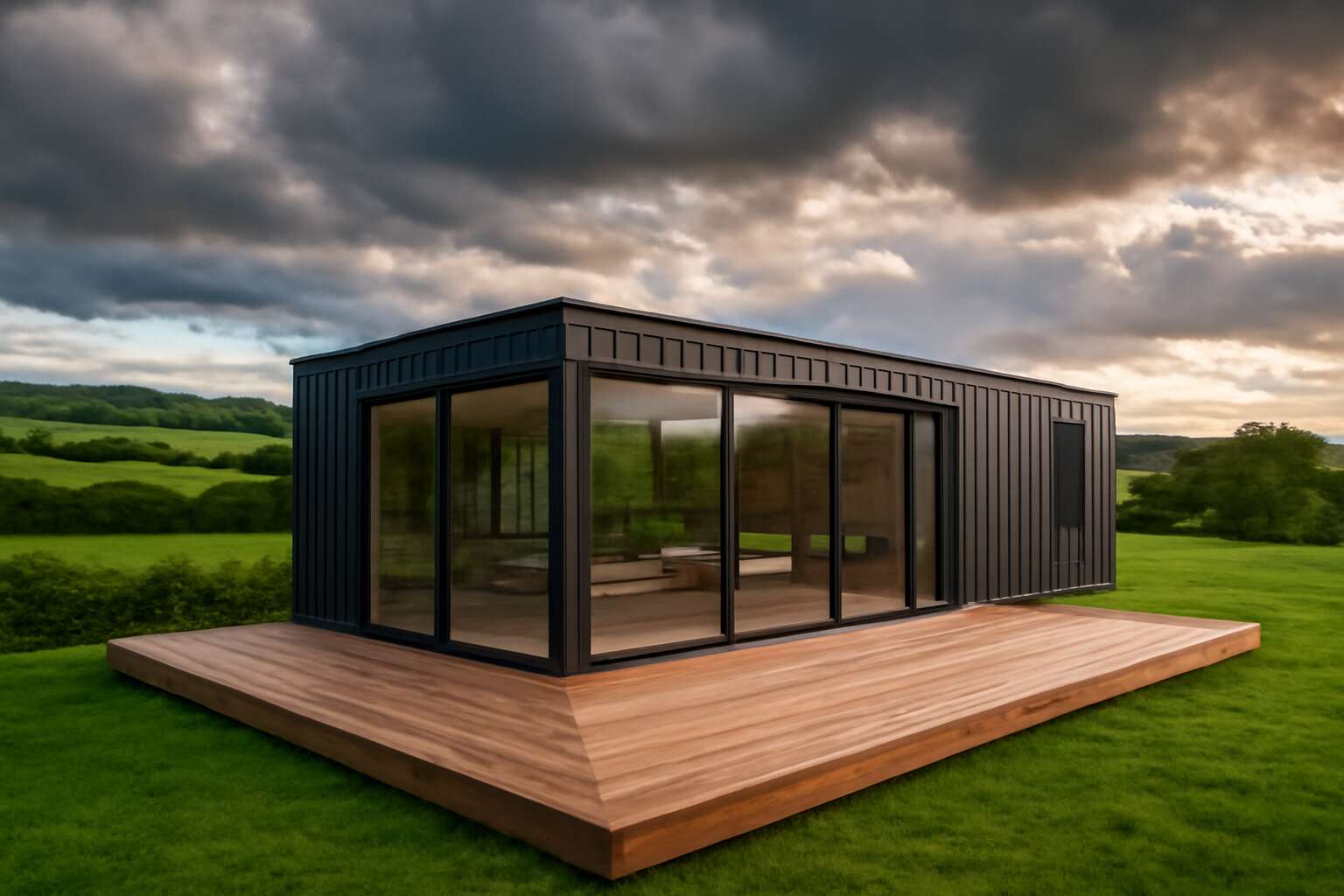
Overview of Converted Containers in Northern Ireland
What are converted containers and why Northern Ireland buyers choose them
Compact, cost-savvy, and surprisingly stylish—the modular space revolution is rewriting how Northern Ireland builds. These days, converted containers northern ireland are not your average cargo crates—they’re modular, climate-smart, and surprisingly chic, if you squint at them with the right architectural lens. From Belfast to the Causeway Coast, buyers value speed, cost control, and the ability to relocate structures as tastes change—something South African investors and local developers alike find appealing.
Here’s what makes them appealing in a market hungry for scalable spaces:
- Rapid deployment
- Weather-ready insulation
- Flexible interiors
In public spaces or private offices, they blend rugged practicality with a dash of coastal charm.
Common uses across Northern Ireland
Across Northern Ireland, modular vessels rise like citadels against the rain—compact, capable, and quietly magical. Converted containers northern ireland have become a language of space that deploys in days, not months, inviting investors from far afield—South African colleagues included—to imagine new uses without the burden of traditional construction.
Common uses span public and private domains, reflecting a market hungry for scalable space:
- Temporary offices and studios
- Pop-up retail and cafés
- Community classrooms and meeting hubs
Weather-smart insulation, modular interiors, and relocatability keep these spaces buoyant through changing tastes and seasons.
Key benefits for local businesses and residents
Space arrives differently when it’s modular—almost deliberate, almost fated. Northern Ireland’s towns have learned to trust the clock as much as the craft: a project can rise in days, not months, with converted containers northern ireland. Projects can shrink timelines by up to 60%, and overheads by a third, with spaces that endure storms, reshaping expectations along the way.
Key benefits for local businesses and residents unfold like a quiet manifesto:
- Rapid setup with predictable costs
- Relocatable spaces that adapt to demand
- Robust insulation and modular interiors
- Low maintenance and sustainable reuse
- Opportunities for pop-up commerce and community hubs
For South Africa, the logic travels well—the emphasis on resilience, scalability, and swift deployment echoes in every boardroom and community centre. In a climate of rapid change, these sturdy containers offer more than space; they offer a philosophy that honours both cost and care.
Regulatory considerations and planning in NI
Across Northern Ireland, modular space feels almost inevitable—an elegant solution that glides through red tape rather than tripping over it. A well-prepared plan can slip from drawing board to site in weeks; planners report accelerations up to 60% for clearly defined proposals. For converted containers northern ireland, regulation is precise yet navigable, asking for clarity about use, lifespan, and impact. This overview touches the regulatory heartbeat: planning permission, building control, fire safety, and energy standards.
Key regulatory considerations include:
- Planning permission and use class assessment
- Building Control compliance for structural safety, insulation, and ventilation
- Fire safety and egress requirements
- Drainage, utilities, and site access
Pre-application discussions with local authorities help align ambition with policy, factoring drainage, access, and environmental safeguards, while heritage and sustainability constraints shape every curve.
Design trends and practical layouts for converted containers
Residential conversions: homes, extensions, and granny flats in NI
converted containers northern ireland have entered a new chapter, where form follows intelligent function. Designers blend industrial texture with homely finishes: timber cladding, wide skylights, and triple-glazing that keeps the chill out without sacrificing light. In NI, the latest design trends favour generous daylight, clean sightlines, and modular layouts that can adapt with the seasons. It’s not merely about saving space; it’s about crafting spaces that feel inviting year-round!
Key moves in this landscape include:
- Open-plan living that connects kitchen, dining, and lounge
- Mezzanine levels for sleeping or storage
- Solar-ready roofs and intelligent heating controls
Whether you’re planning a compact family home, a bright extension, or a self-contained granny flat, the layout should celebrate flow and daylight. I love how a timber screen can soften steel and give a warm, inviting edge to these pragmatic shells.
Commercial spaces: offices, pop-up shops, and retail in NI
Commercial spaces built from converted containers northern ireland are writing a fresh chapter in adaptive retail. Designers prize generous daylight, clean sightlines, and a tactile mix of industrial shell and polished interiors. The trend blends timber warmth with steel discipline, turning a compact footprint into a stage for ideas and conversations.
Open-plan cores connect work zones, while mezzanine tiers stack functions without sprawling footprints. For pop-ups and shops, flexible frontage and modular furniture let layouts shift with seasons.
- Daylight-maximizing glazing and skylights
- Modular partitions for quick reconfiguration
- Smart climate and energy controls
- Durable, easy-clean surfaces
Rooftops become solar-ready canvases; the right finishing touch is a timber screen softening edge of the metal shell, inviting customers inside even during brisk NI mornings.
Industrial storage and workshop layouts
Light is the chief conductor in a compact workshop. In NI, daylight-forward design can trim energy bills by up to 25% in the first year, turning steel boxes into inviting studios. The rhythm of the space follows the eye—long sightlines, tempered echoes, and a sense that size does not confine possibility.
Design trends lean on generous glazing, timber warmth, and a disciplined steel skeleton. Open-plan cores give way to mezzanine tiers, stacking functions without sprawling footprints. For industrial storage and workshop layouts, modular partitions sculpt ever-shifting skylines of space.
- Mezzanine floors reclaim vertical space without increasing footprint
- Modular racking and mobile workstations for quick reconfiguration
- Roll-up doors with robust seals for rugged, weather-ready access
- Durable, easy-clean finishes that withstand daily wear
Rooftop surfaces become solar canvases; timber screens soften the silhouette. Logical layouts prioritize clear paths, safe egress, and efficient lighting, ensuring the compact shell remains flexible for seasonal demands. In the realm of converted containers northern ireland, such configurations prove durable and human-scale, a dance of function and form.
Insulation, energy efficiency, and climate control
Airtight, daylight-forward, and surprisingly warm—converted containers northern ireland are redefining small-space design. In a damp climate, smart insulation and climate control turn a steel box into a residence, workshop, or pop-up shop that feels generous. Clean lines, timber accents, and strategically placed glazing make form follow function, while efficient layouts keep energy use in check.
- Insulation options: PIR or mineral wool in walls and roof for a continuous thermal envelope
- Glazing strategies: double or triple glazing with low-E coatings and well-timed shading
- Climate control: heat recovery ventilation, smart thermostats, and passive cooling to maintain comfort year-round
When the shell breathes with a solid thermal envelope, the space stays comfortable through NI’s seasonal swings and remains flexible for changing uses.
Interior finishes and design options for NI climates
In design trends for converted containers northern ireland, light and tactility steer the craft. Interiors blend clean, industrial lines with warm timber accents and soft textiles, turning a steel shell into a welcoming space. Daylight-forward glazing and well-timed shading keep rooms bright without glare, while storage is tucked into walls and corners, so the footprint remains generous even in narrow plots.
- Timber finishes with brushed metal hardware for warmth and durability
- Polished concrete or timber-look flooring for hard-wearing surfaces
- Low-profile, modular furniture that reconfigures for work, sleep, or play
- Strategic glazing with double or triple glazing and micro-shading to suit NI seasons
Practical layouts favour fluid zones—kitchen islands that double as desks, mezzanine sleeping lofts, and bespoke storage that disappears into walls. It’s spaces that breathe, where each element earns its keep and the room keeps its generous feel, even in damp and changing weather.
Installation, permits, and building regulations in Northern Ireland
Planning permission and building regulations in NI
Installing a container conversion in Northern Ireland isn’t weekend DIY magic; it’s a careful tango with planning and building rules. For anyone researching converted containers northern ireland, planning permission acts as the gatekeeper—and it isn’t a suggestion box. The decision rests on use, scale, and how neatly the unit plays with its neighbours—no rogue crate allowed.
Key steps to align with NI rules include:
- Check planning use and changes of use with your local council
- Understand building regulations and the role of an approved inspector
- Secure any necessary permits and prepare for final compliance checks
With approvals in place, installation proceeds under building regulations, covering insulation, electrical safety, fire protection, and structure. The process culminates in a completion certificate, confirming compliance under NI rules for your project.
Site preparation, foundations, and drainage
Foundations decide the longevity of any project, and with converted containers northern ireland, the ground tells the first story. Site preparation begins long before a screw is driven: assess the slope, clear access, and design drainage to keep water far from the shell of the unit.
Permits and building regulations frame the pre-installation work. The essentials often appear as a tidy checklist:
- Ground survey and level checks
- Foundations and anchorage designed for wind loads
- Drainage layout to prevent pooling and frost damage
Once approvals land, installation proceeds under building regulations with an approved inspector overseeing insulation, electrical safety, and fire protection. A completion certificate then confirms compliance, a quiet testimonial to sturdy craft—even for South African readers exploring NI’s approach.
Electrical, plumbing, and utilities integration
A precise choreography of approvals, wiring routes, and service ties marks installation in Northern Ireland. Permits flow through local Building Control and planning channels, while an approved inspector signs off on electrical layouts, water and waste connections, and the routing of telecoms before the shell becomes operational. The goal is a dry, durable interior where future upgrades can evolve without drama.
- Electrical readiness: plan routes, protect circuits, and ensure earthing compatibility
- Plumbing and drainage: water supply, hot and cold lines, venting, and backflow prevention
- Utility integration: meter positioning, data points, and telecom provision
Once the framework meets NI standards, completion hinges on careful coordination of all services, revealing how resilience and refinement coexist. This approach resonates with converted containers northern ireland.
Transport, delivery, and installation logistics in Northern Ireland
converted containers northern ireland projects hinge on more than aesthetic appeal; they hinge on timing. In practice, transport, delivery, and installation are choreographed like a symphony, with early route surveys, permitted loads, and coordinated crane slots. NI authorities layer permits on oversized transports, and an approved inspector signs off on planning compliance before the shell meets its site. The result is a dry, durable shell that can evolve without drama, ready for internal fit-out when the grid is prepared and the access roads are clear.
Delivery logistics, transport routes, and installation windows are the hinge. A concise, early briefing with hauliers, crane operators, and site teams minimizes weather delays and keeps the project aligned with local constraints:
- Delivery window coordination with Building Control and planning authorities
- On-site crane and rigging access with clear slip lanes
- Securement of temporary routing for utilities and pedestrian safety
Health and safety and compliance standards
In the realm of converted containers northern ireland, careful permission and patient planning—not just paint and seam—guide installation. Health and safety and compliance standards are the overture that underpins the shell, ensuring it earns its crown before any interior magic begins. A seasoned site lead reminds the crew: “Compliance is the first brick, safety the mortar that holds momentum.”
In Northern Ireland, installation must align with Building Regulations and safety codes, covering structure, wiring, and fire safety. An approved inspector signs off planning compliance before interior fit-out begins, ensuring the shell is ready when access and utilities align. Our teams coordinate with Building Control to keep schedules tight and the structure durable.
- Planning permissions and temporary works approvals
- Building Control sign-off and compliance verification
- Utilities integration checks and site safety coordination
Cost, procurement, and ROI of converted containers in Northern Ireland
Cost breakdown: materials, labour, and permits
ROI on container conversions in Northern Ireland often lands in the double digits within the first 18 to 24 months. For buyers exploring the converted containers northern ireland option, cost clarity matters and tight planning pays off.
Cost breakdown matters: materials, labour, and permits drive the numbers. We push for off-site fabrication where possible to cut on-site waste and shorten lead times.
- Materials and components
- Labour and project management
- Permits, inspections, and site works
Procurement in NI taps local suppliers and streamlined delivery, reducing risk and boosting ROI. Energy efficiency and flexible layouts keep running costs predictable, helping the investment repay faster—sometimes sooner than you expect!
Funding options, grants, and incentives in Northern Ireland
ROI on converted containers northern ireland frequently lands in the double digits within the first 18 to 24 months, a rhythm that catches the eye and steadies the hand. Cost clarity pays off when materials, labour, and permits are mapped with ruthless precision, and off-site fabrication trims waste and lead times. The narrative here is not just about price tags but durable value that grows as use evolves.
Procurement in NI taps local suppliers and streamlined delivery, reducing risk and boosting ROI. In markets like South Africa, the logic translates to tighter supply chains and clearer timelines that resist volatility.
- Local suppliers
- Streamlined delivery
- Reduced on-site waste
Funding options, grants, and incentives in Northern Ireland—energy rebates, rate relief, and matched funding programs—help accelerate payback. For readers in South Africa, the principle holds: public support can compress the ROI curve, letting energy-efficient layouts pay for themselves faster.
Procurement pathways: buy, build, or lease
In Northern Ireland, converted containers northern ireland offer more than shelter; they blaze a corridor to efficient spaces. Costs can be controlled, and ROI often lands in the double digits within 18 to 24 months!
Cost clarity becomes a narrative, not a price tag. For NI buyers, procurement pathways—buy, build, or lease—shape cash flows and risk. Consider the following streamlined options:
- Buy: acquire ready-made containers and convert in a controlled yard.
- Build: assemble modular sections and finish on-site with lean scheduling.
- Lease: secure space with predictable outlays and scalable implications.
Off-site fabrication trims waste and lead times, while coordinated deliveries keep projects humming along the coil of Northern Ireland’s seasons!
Maintenance, longevity, and resale value
ROI often lands in the double digits within 18 to 24 months, and it begins with cost clarity. In converted containers northern ireland, space becomes an ally when financial lines are drawn cleanly from the start.
Cost clarity becomes a narrative, not a price tag, as NI buyers weigh buy, build, or lease and watch cash flows bend to predictable rhythms rather than sudden spikes.
Key accelerants of ROI include:
- Off-site fabrication trims waste and lead times, smoothing the schedule
- Lean on-site finishing reduces disruption and cost drift
- Modular design supports scalable use and easier resale
Maintenance, longevity, and resale value are woven into the project from day one. Durable finishes, corrosion protection, and clear compliance documentation help preserve value long after occupancy.



0 Comments