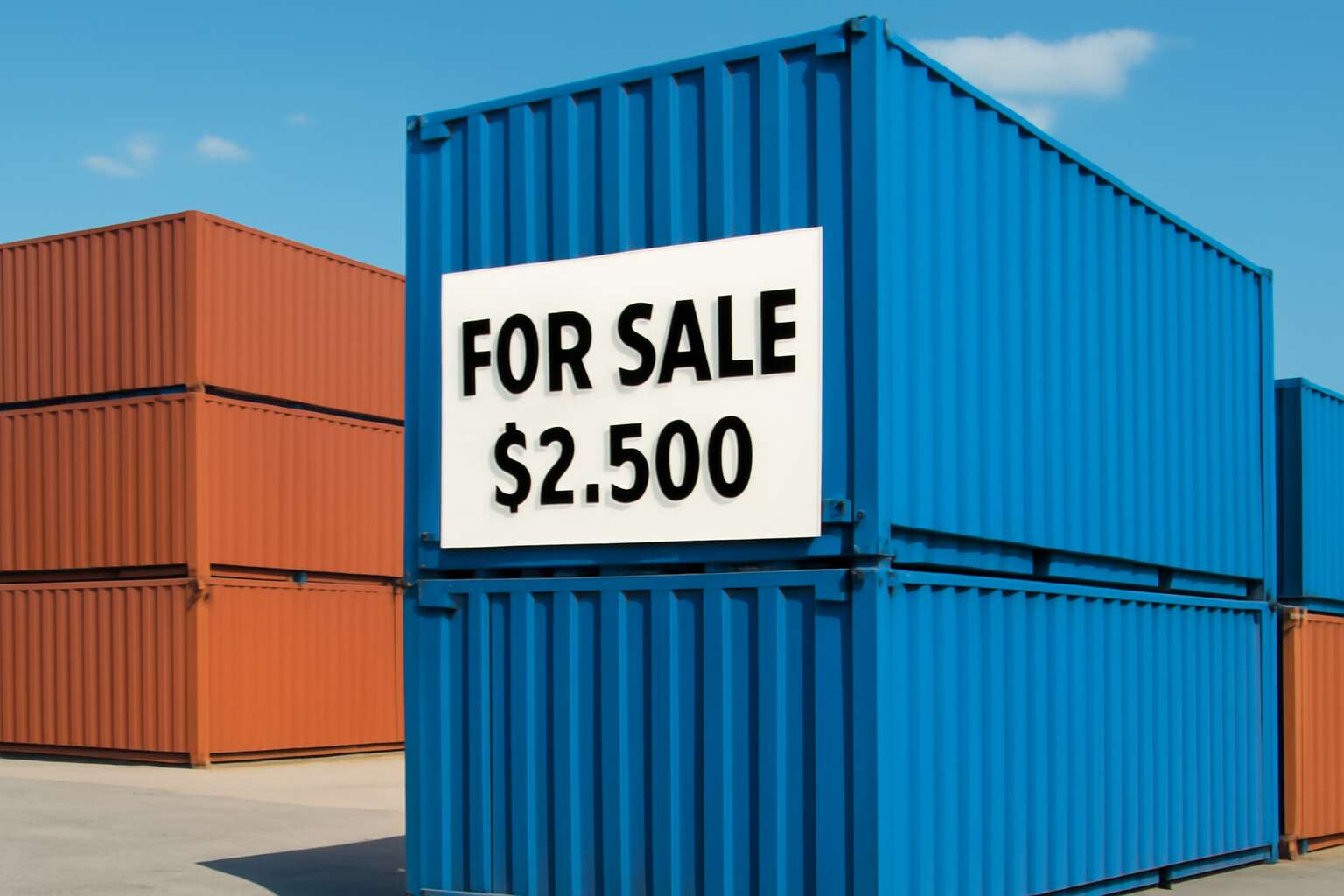
Container Pricing Guide
Understanding price landscape
Prices for steel sentinels guarding our cargo often hide as much as they reveal. In South Africa, I’ve watched a shadowed stat float: 37% of the total cost slips into fees, freight, and paperwork, not the base price.
Understanding the price landscape turns numbers into a narrative. When I guide clients to containers for sale prices, the base price is just the door—the rest is freight, delivery routes, and local charges that shape the final figure.
- Size and type (20ft, 40ft, high cube)
- New versus used condition
- Delivery distance and handling charges
- Taxes, duties, and port fees
Read the ledger aloud and the price stops being a phantom. The numbers align, the sale breathes, and the plan becomes concrete in the fading light!
Container types and price implications
37% of the total cost slips into fees, freight, and paperwork, not the base price. A clean container pricing guide shows how container types and price implications drive the tag for containers for sale prices. Size and condition change what you pay, even before trucks roll.
Container types and price implications start with size and condition. Consider these drivers:
- 20ft standard: lower base price, tight footprint, easy site placement
- 40ft standard vs 40ft high cube: more volume, higher freight and handling
- New versus used: condition and resale value shape the sticker
Delivery distance, handling charges, taxes, and port fees tilt the final number. I’ve seen inland hops bend the final sticker—journey and local rules shape what ends up on the invoice.
Viewed as a whole, the numbers align; the price isn’t a phantom. The container pricing guide clarifies how a 20ft compares with a 40ft high cube across new and used options and flows into containers for sale prices.
Regional and market factors
In SA, your container purchase is less about metal and more about the weather of the rand. Regional demand, port backlogs, and VAT reshape how your quote lands on the desk. A telling stat: currency swings can tilt the total by up to 18% over a quarter, so readers track more than base price when sizing up containers for sale prices.
- Exchange rate volatility and import duties in South Africa
- Port throughput and congestion at Durban and other hubs
- Inland trucking capacity and distance to site, plus local VAT and compliance costs
Regional market factors continue to shape pricing in SA, mixing local supply chains with policy quirks and seasonal demand. No crystal ball here—just port queues, fuel surcharges, and a stubborn rand that refuses to sit still.
How to compare prices and save
Pricing in SA feels more like predicting weather than calculating metal. A telling stat from the market: currency swings can tilt the total by up to 18% over a quarter. That means when you probe containers for sale prices, the rand’s mood matters as much as the container’s gauge. Expect quotes to ride freight routes, duties, and quirky policy quirks, long before you blink.
- Base price vs. currency exposure
- Import duties, VAT, and compliance costs
- Port throughput, queues, and inland transport surcharges
For a clean read of the Container Pricing Guide, treat the numbers as a map, not a sermon. Readers weigh the components behind containers for sale prices, spotting how surcharges, logistics, and seasonality tug the final figure, without pretending to ring-fence every rand. The humour is in the detail—and the numbers still count.
Buying guide and ROI considerations
South Africa’s markets resemble weather maps: currency swings can tilt the total by up to 18% in a quarter. When you chase containers for sale prices, the rand’s mood matters as much as the container’s gauge. The Container Pricing Guide reads like a map, not a sermon, outlining base price, currency exposure, duties, and freight.
Read with ROI in mind, and the numbers reveal subtler truths. The final figure gathers momentum from surcharges, port throughput, and inland transport—factors that shift with season and policy. Treat each quote as a snapshot, not a verdict.
- Cash flow timing and working-capital impact
- Asset utilisation versus storage needs
- Depreciation, resale value, and lifecycle considerations




0 Comments