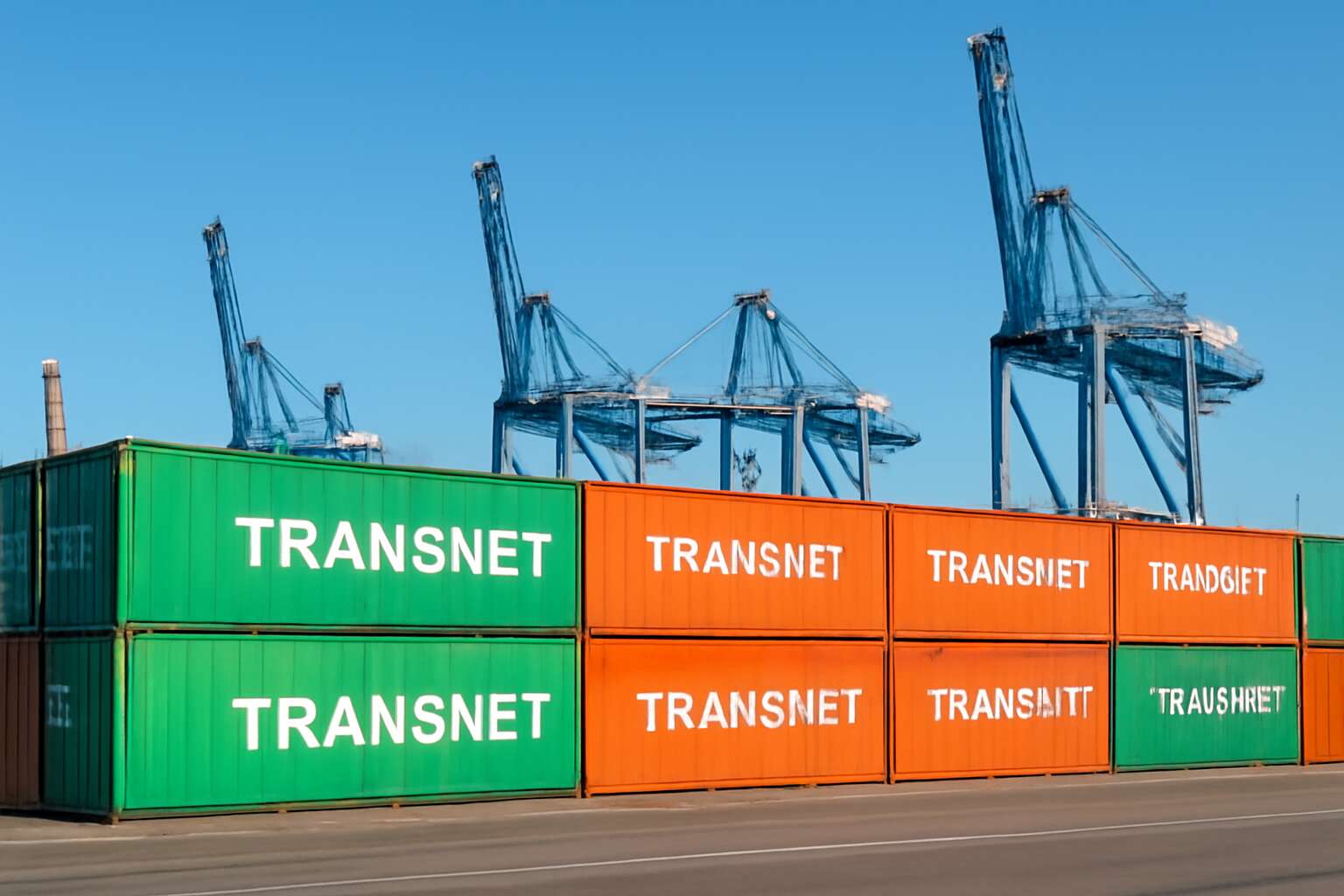
Comprehensive guide to purchasing and using Transnet containers
Understanding applications and specifications
In South Africa’s bustling trade lanes, a container is more than a box—it’s a moving contract that carries goals as surely as cargo. “The right container is a moving contract,” a veteran forwarder likes to say. Shippers treat containers as the quiet backbone of commerce, where tiny decisions ripple into days saved and stories freight forwarders tell over coffee.
Embarking on a comprehensive guide to purchasing and using Transnet containers means listening to your operations’ needs. Understanding applications and specifications helps you match purpose to form—whether you need onsite storage, a portable site office, or interport transport.
- Application fit: storage, onsite offices, or transport
- Specifications: size (20′ or 40′), steel grade, floor
- Equipment: doors, locks, ventilation, CSC
- Lifecycle: corrosion protection and resale value
For South African buyers, the choice extends beyond price to warranty, service, and lifecycle. Your pathway begins with trusted partners offering transnet containers for sale.
Buying considerations for Transnet containers
Across South Africa, 40% of container purchases end up needing tweaks after delivery, a telling signal that fit matters more than price. The buying journey for transnet containers for sale should read like a map: clarity on warranty, service coverage, and lifecycle expectations guides every handshake.
Look for partners who can back up the purchase with local support networks, genuine components, and transparent refurbishment options. In South Africa, the strongest choices balance initial cost with reliable durability and predictable maintenance, plus accessible after-sales assistance. The conversation should extend beyond the crate to the people who keep it running—field service, spare parts, and rapid response times become your invisible dashboard lights.
Sourcing channels and suppliers
Across South Africa, every transaction for transnet containers for sale reads like a charter for reliability. A telling stat lingers: 40% of container purchases end up needing tweaks after delivery—proof that fit and support matter more than price. A well-chosen unit becomes a trusted workspace, weathering dunes and urban bustle alike, while the right partner mirrors that durability in service and parts stock.
When you map the sourcing landscape, a few channels stand out for clarity and support:
- Direct manufacturers with local representation
- Reputable refurbishers offering certified components
- Local distributors who bundle service agreements
- Asset management firms specializing in containerized solutions
In this market, the strongest suppliers balance upfront cost with predictable maintenance, transparent refurbishment options, and responsive field service—ensuring the crate stays a reliable engine rather than a lone shadow on the horizon.
Storage, modification, and compliance considerations
Across South Africa, roughly 40% of transnet containers for sale arrive needing tweaks after delivery—a reminder that true value lives in fit, finish, and faithful aftercare. A crisp storage plan and a careful hand in modification turn mere crates into reliable workspaces that endure wind, dust, and bustle.
Experience shows guarding the unit against time demands attention to storage, modification, and compliance considerations. Shelter, ventilation, and moisture defense keep fields from wear; alterations should be entrusted to professionals who honor the container’s frame; and clear records empower smooth safety checks and audits.
Key considerations unfold as follows:
- Storage readiness: climate control, secure anchoring, and pest management
- Modification integrity: professional, stamped alterations, and load tests
- Compliance trail: permits, inspections, and up-to-date documentation




0 Comments