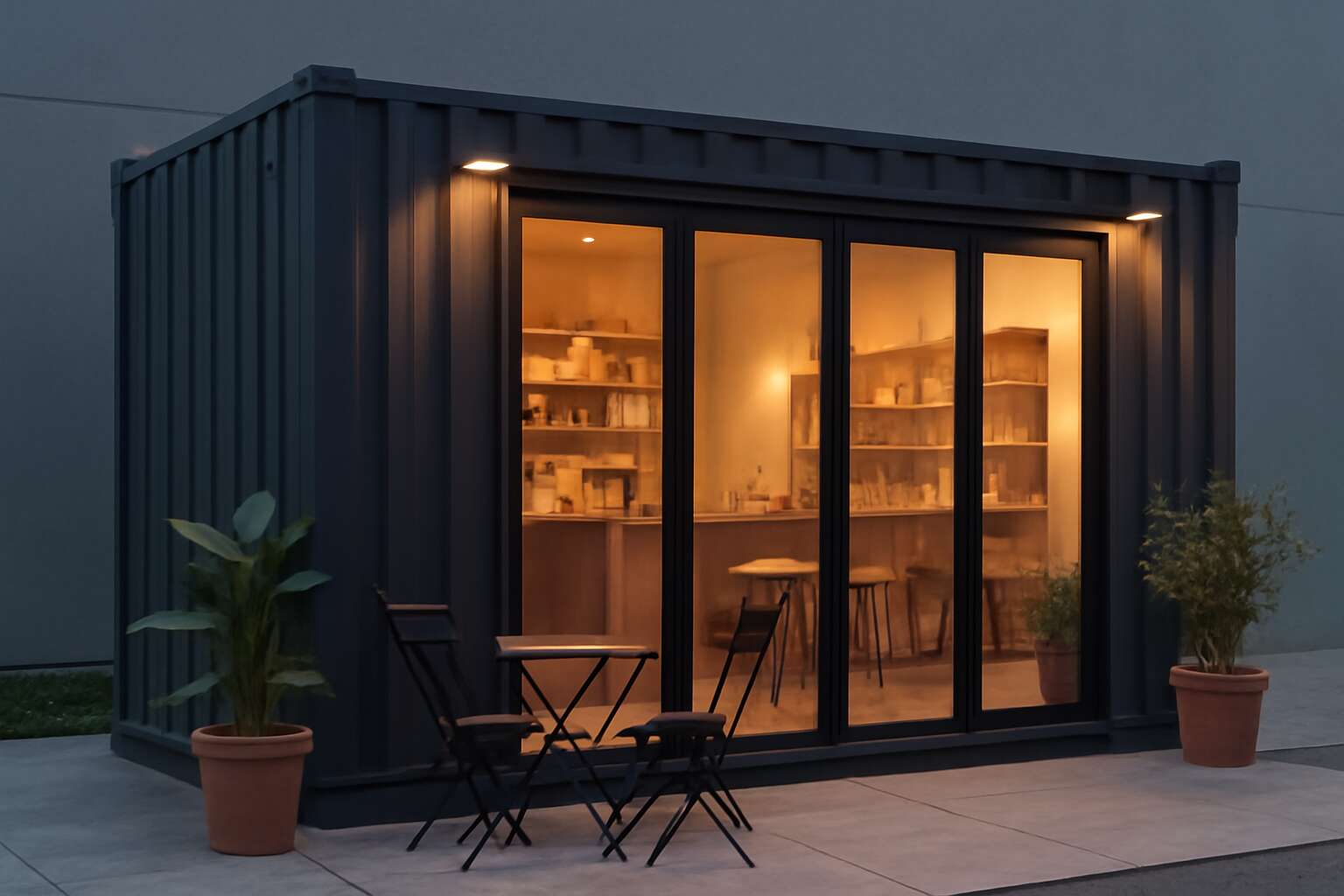
Outline for blog post on repurposed metal containers
Sustainability and environmental benefits
Bold frames rise where scrapyard dreams meet urban grit. In South Africa, repurposed metal whispers a different industry tale: resilience forged into shelter, studio, or storefront. In projects that reuse containers, reports show up to 60% faster build cycles and dramatically lower waste, turning rust into opportunity without spectacle!
Outline for a blog post on repurposed metal containers—sustainability and environmental benefits—reads like a map of choices. converted metal containers reduce virgin material demand and lower embodied energy, showing form can travel with footprint rather than against it.
- Lower carbon footprint through reuse
- Durability suits SA’s climate
- Shorter supply chains for local communities
These threads weave a space where workers and designers see possibility in steel, and the story keeps unfolding with each project.
Conversion types and design options
From Cape Town corridors to Jo’burg courtyards, the metal already believes in second chances. In South Africa, projects using converted metal containers shave weeks off site assembly—up to 40% faster in some builds—and prove how form can travel with a gentler footprint!
Conversion types and design options turn steel into spaces with personality. Think modular interiors, insulated walls, weatherproof exteriors, and plug‑and‑play services cores. Designers tailor lighting, acoustics, and ventilation to climate, turning a humble unit into a resilient shell for work, rest, or commerce.
- Residential studios and tiny homes
- Retail pop-ups and cafés
- Community spaces and classrooms
Durability and safety considerations
In SA’s climate, a repurposed shell can outlast trends. “Durability isn’t a feature—it’s a contract with the wind,” a seasoned SA engineer says. This outline shows how these shells endure coastal gusts and inland heat, as if listening to the land.
Durability starts at the core: galvanized steel, factory finishes, sealed joints that resist salt and dust. Safety isn’t optional—anchoring, fire-rated partitions, waterproof electrical, and ample ventilation prevent heat buildup. When well engineered, these converted metal containers become reliable spaces for work, learning, or commerce.
- Corrosion resistance
- Wind and load reinforcement
- Safety certifications
Durability and safety aren’t afterthoughts—they’re the lifeblood of container projects that withstand SA’s elements and serve people for years to come.
Cost and maintenance
Durability isn’t a feature—it’s a contract with the wind—and in SA, the true cost of a repurposed shell is written in its maintenance ledger. A seasoned SA engineer reminded me that a sound shell pays dividends long after the initial invoice. For this post, the cost and maintenance outline digs into what stays reliable when the climate tests metal and mettle alike.
- Initial purchase and logistics: freight, delivery, site prep
- Protective finishes: coatings, galvanizing, insulation
- Systems integration: electrical, plumbing, ventilation, safety
- Maintenance cadence and warranties: inspections, parts, service contracts
From a practical lens, these are not empty numbers but living equations—cost transparency, predictable maintenance, resilient performance. Even modest upgrades, if planned, extend the life of converted metal containers while preserving interior value in SA’s markets.
Sourcing and selection
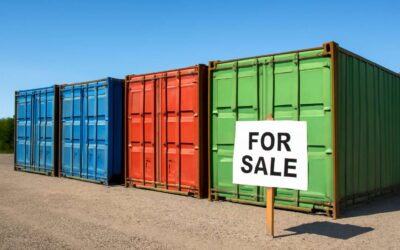
“Certainty is currency in the field,” a seasoned SA buyer once reminded me, and it’s the guiding principle behind converted metal containers. Sourcing and selection aren’t luck; they’re a disciplined hunt for reliability that outlasts the first invoice.
In SA markets, origin matters as much as metal. Verify provenance, decide between new or refurbished, inspect welds, seams, and chassis, and confirm available transport routes so delivery won’t lag at site.
Key sourcing checks include:
- Provenance and supplier history
- Structural integrity of frame and container
- Surface condition and corrosion risk
- Coatings, galvanizing, and insulation compatibility
- Lead times and local logistics
With careful sourcing, these containers can anchor flexible spaces that endure South Africa’s weather and logistics; a durable scaffold for future growth.


0 Comments