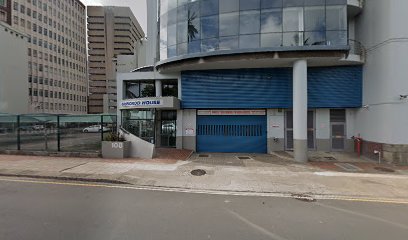
Ocean Africa Container Lines is a Freight forwarding service establishment in Durban, KwaZulu-Natal, South Africa
Durban
KwaZulu-Natal
South Africa
Sorry, no records were found. Please adjust your search criteria and try again.
Sorry, unable to load the Maps API.
Freight Forwarding Services in Durban, KwaZulu-Natal
<pDurban, as a major South African port city, serves as a critical hub for international trade, handling a diverse range of shipments for businesses across sectors. Freight forwarding services in Durban typically coordinate the movement of goods from origin to destination, navigating the complexities of international logistics while adapting to local infrastructure and regulatory requirements. Clients can expect a structured process that combines transportation, documentation, and compliance to deliver goods efficiently and securely.
<pThe core offerings usually encompass both sea freight and air freight, with options tailored to the speed, cost, and nature of goods. Sea freight remains a common choice for bulk, bulk-break, or palletised cargo, often complemented by inland transport to and from Durban’s port facilities. Air freight serves those needing rapid delivery for time-sensitive items, high-value goods, or perishable commodities, supported by prioritised handling and streamlined customs processing where available. In either mode, freight forwarders in Durban frequently provide door-to-door or port-to-port solutions depending on client needs and the complexity of the shipment.
<pBeyond transport, the service suite commonly includes value-added elements designed to reduce risk and improve visibility. Warehouse and storage services may be offered near the port or within regional distribution hubs, with options for short- or long-term holding, consolidation, and deconsolidation. Packing and crating services help protect goods during transit, while handling specialised cargo—such as hazardous materials, refrigerated goods, or oversize items—often requires specific expertise and equipment. Insurance options, ranging from standard transit cover to more comprehensive policies, provide protection against loss or damage in transit.
<pA recurring feature of freight forwarding in Durban is customs clearance and regulatory compliance. Forwarders typically manage the preparation and submission of customs documentation, assist with import and export declarations, and help ensure adherence to local and international trade controls. Knowledge of incoterms and duty/tax implications is essential, as these determine responsibilities, costs, and risk allocation between buyers and sellers. The Durban port environment also prompts attention to practical considerations such as port congestion, vessel schedules, and container availability, all of which can influence transit times and delivery dates.
<pVisibility and coordination are central to effective freight forwarding. Tracking and reporting networks enable clients to monitor shipment progress, while dedicated operators liaise with carriers, customs authorities, and inland transport providers to resolve issues quickly. When necessary, forwarders may organise last-mile delivery to specific premises, distribution centres, or customer sites, coordinating handover and documentation on arrival.
<pSeveral practical considerations can shape the choice of a Durban-based freight forwarder. These include the provider’s experience with port operations, their capability to handle multiple modes of transport, and access to reliable domestic trucking or rail connections. Compliance with security standards, handling of hazardous materials, and capacity to manage peak periods are also important. Finally, a clear understanding of pricing structures, including surcharges, fuel adjustments, and terminal fees, helps avoid unexpected costs and supports accurate budgeting for international trade activities.
- Sea and air freight coordination
- Customs clearance and regulatory compliance
- Warehousing, packing, and cargo consolidation
- Insurance options and risk management
- Door-to-door and port-to-port service configurations