EURO-EXPRESS CONTAINER LINE is a Freight forwarding service establishment in Gqeberha, Eastern Cape, South Africa
Gqeberha
Eastern Cape
South Africa
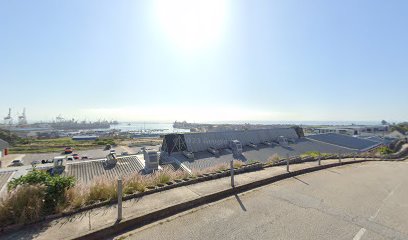
Sorry, no records were found. Please adjust your search criteria and try again.
Sorry, unable to load the Maps API.
Freight Forwarding Services in Gqeberha, Eastern Cape
Freight forwarding in Gqeberha (Port Elizabeth) within the Eastern Cape combines regional logistics insights with international trade requirements. This locale serves as a practical hub for businesses seeking to move goods to and from Southern Africa, leveraging coastal and road networks that connect to major manufacturing centres, ports, and inland markets. The role of a freight forwarder in this area is to coordinate the movement of goods across borders and modes, handling the administrative tasks and operational details that enable timely and compliant delivery.
Typical services encompass a broad spectrum designed to accommodate different shipment profiles. These may include import and export documentation, customs clearance, and regulatory compliance guidance. Forwarders often arrange freight transport by sea, air, or land, selecting routes and carriers that balance speed, cost, and reliability. In Gqeberha, the proximity to the Port Elizabeth harbour and surrounding distribution legs makes sea freight a common option for bulk goods or commodities, while air and express road services can address time-sensitive consignments. Consolidation services for smaller shipments, warehousing, and handling of value-added activities such as packaging and labelling are frequently offered to streamline supply chains.
Businesses can expect a pragmatic process that typically unfolds in several stages. Initially, goods are described and inventoried, with information supplied about weight, dimensions, and commodity classifications. This enables an accurate assessment of duties, taxes, and regulatory requirements. Next, a forwarder coordinates the necessary transport arrangements, organises any required insurance, and prepares the key export or import documentation. Throughout the journey, the forwarder tracks cargo progress, communicates any potential delays, and provides guidance on tariff classifications, preferential trade agreements where applicable, and country-specific filing needs. On arrival, duties and taxes are settled, and the shipment proceeds through local customs or onward delivery to a chosen destination.
Practical considerations for operations in Gqeberha include the regional infrastructure and the availability of several cross-border routes into neighbouring countries and beyond. Businesses should consider lead times related to port handling, inland transportation, and potential delays at customs, particularly when managing peak periods or varied regulatory requirements. It is common for forwarders to offer warehousing solutions, including secure storage, inventory management, and order fulfilment services, which can support regional distribution strategies. Additionally, the ability to arrange multimodal transport—combining sea, air, and road movements—can provide flexibility when schedules or cargo characteristics demand alternatives to a single mode.
From a customer perspective, expectations centre on reliability, clarity, and proactive communication. A competent freight forwarder should deliver transparent quotations that itemise transport modes, handling charges, insurance options, and estimated transit times. They should also provide guidance on risk management, such as cargo insurance and risk assessment for high-value or sensitive goods. Compliance with local and international trade regulations is essential, as is an understanding of the specific documentation required for various destinations and commodities.
In practical terms, successful engagement with freight forwarding services in Gqeberha often hinges on the ability to provide accurate shipment information, realistic expectations about timelines, and a clear view of the end-to-end route. For businesses exporting manufactured products or importing components, the service can help align procurement schedules with distribution plans, coordinate with suppliers and customers, and consolidate shipments to optimise freight rates. While the exact packages and service terms may vary, the overarching aim remains straightforward: to move goods efficiently, securely, and compliantly from origin to destination, with support available to navigate the complexities of local and international logistics.
- Key services typically offered: documentation and customs clearance, multimodal transport coordination, cargo insurance, warehousing and storage, packing, and cargo consolidation.
- Operational considerations: port access, inland logistics, regulatory compliance, and potential delays at checkpoints.
- Customer expectations: clear quotations, proactive communication, and reliable delivery outcomes.