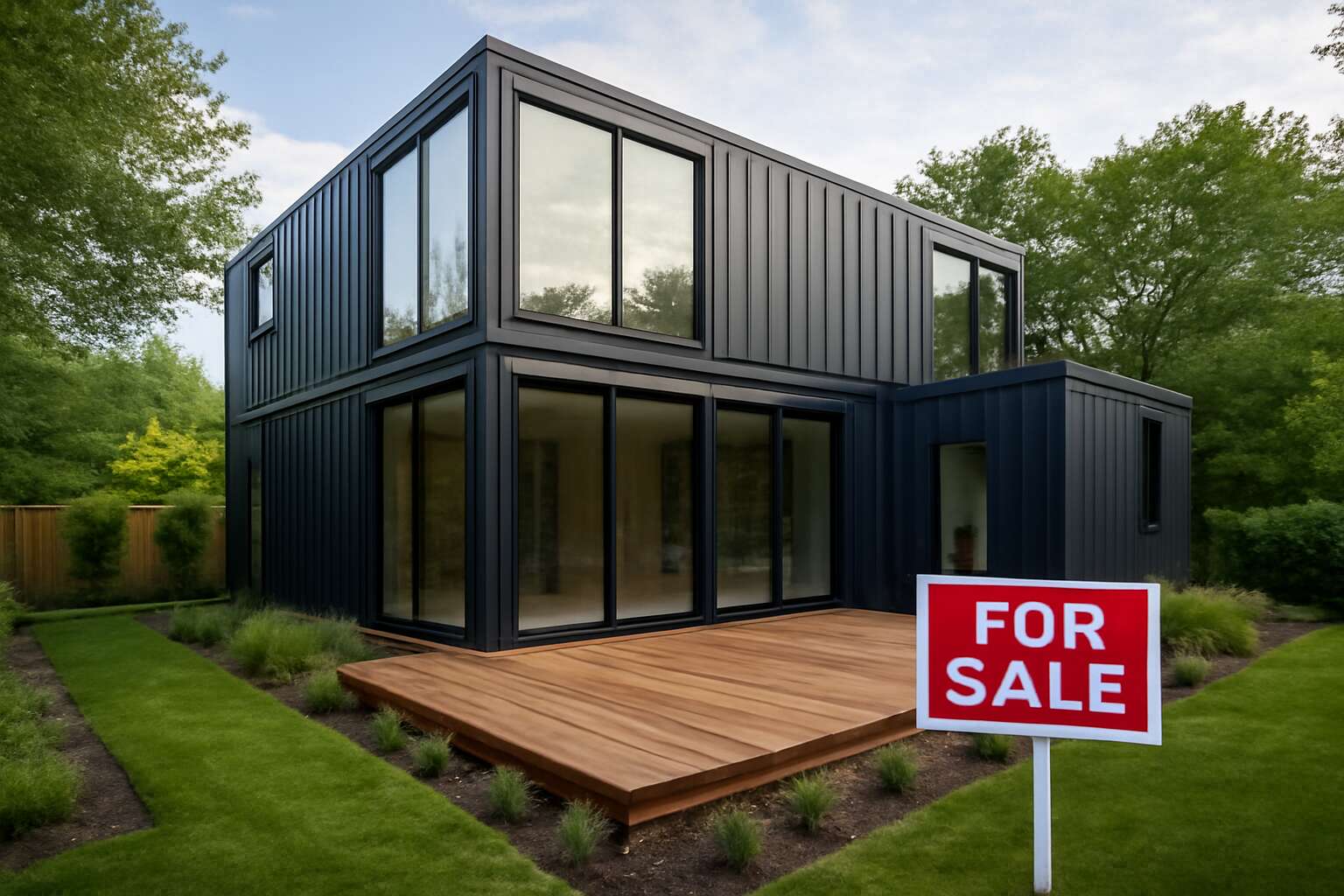
Understanding Home Shipping Containers
What is a home shipping container and how it works
Steel boxes with a human heartbeat—that’s how the best homes in South Africa are imagined today. A single shipping container, weather-tested and modular by design, can become a warm, sunlit dwelling. The idea is craft more than gimmick: durable, stackable, and quietly revolutionary.
Understanding what a home shipping container is and how it works clears the fog of novelty. These containers are not empty shells but modular modules that can be joined, insulated, and ventilated to become habitable spaces. Foundations, careful sealing, and climate control anchor a container home to the ground while preserving its austere elegance. For those exploring home shipping containers for sale, the imagination finds a practical shape.
- Stackable layouts enable compact to expansive footprints
- Insulation and sealing turn corrugated shells into comfortable interiors
- Interior finishes and adaptable spaces create personalised homes
Light and steel converse, revealing living spaces born of craft.
Key dimensions and standard sizes
Steel boxes with a heartbeat—durable, weather-tested, and quietly generous in their proportions. They turn compact space into light-filled living, where craft meets practicality.
For buyers exploring home shipping containers for sale, standard sizes guide planning. The 20-foot and 40-foot footprints, with high-cube options, shape the possibilities.
- 20-foot standard: external 6.06m × 2.44m × 2.59m; internal roughly 5.9m × 2.35m × 2.39m
- 40-foot standard: external 12.19m × 2.44m × 2.59m; internal roughly 12.0m × 2.35m × 2.39m
- High-cube variants: add about 0.3m in height for extra headroom
These dimensions unlock versatile spaces, from cosy living nooks to airy studios, all while preserving the crisp silhouette that makes container homes feel timeless.
Benefits of using shipping containers for homes
Across South Africa, modular builds cut construction timelines by as much as 50%, delivering space as swiftly as the horizon shifts. “Efficiency is the new luxury,” a local architect says, and the steel box wears that claim with quiet gravity!
- Rapid deployment and scalable layouts
- Rugged weather resistance, year after year
- Lower environmental footprint than traditional brick-and-mortar builds
Understanding the benefits of home shipping containers for sale means embracing versatility: a single footprint can host a cosy nook, a compact studio, or a bold, two-story arrangement. They blend design clarity with practical insulation and durable finishes, inviting creativity without compromise.
Common materials and features to consider
South Africa’s housing scene is embracing speed and soul in equal measure. Modular builds can slash timelines by up to 50%, a statistic that resonates with buyers eyeing home shipping containers for sale. The shell is the stage—sturdy steel that endures sun, rain, and time—inviting light to dance through thoughtfully placed windows.
Common materials and features to weigh include corrosion-resistant steel, reliable insulation (spray foam, PIR, or mineral wool), and durable flooring such as marine plywood. Exterior cladding options range from weatherproof panels to rainscreen systems that keep heat where you want it. For home shipping containers for sale, consider how insulation and shell choices influence energy bills and comfort.
- Insulation type and thickness
- Flooring durability and moisture resistance
- Window and door performance (glazing, seals)
- Electrical readiness and plumbing access
In South Africa, wise material choices translate into comfort, efficiency, and enduring value when you explore these options.
Shipping container vs modular building: pros and cons
A factory heartbeat for homes—steel frames and swift delivery. In South Africa, modular builds can slash timelines by up to 50%, a reality that makes home shipping containers for sale suddenly compelling. The choice between a shipping container and a modular build hinges on flexibility, energy performance, and long-term value rather than sheer speed alone.
Key trade-offs to weigh:
- Pros: faster site readiness, durable shell, and compact footprint
- Cons: zoning and permitting hurdles, insulation challenges, and transport constraints
In the South African climate, the container’s steel shell must be paired with robust insulation and glazing to ensure comfort year-round. For buyers evaluating home shipping containers for sale, the path chosen shapes energy bills, maintenance, and resale value.
Choosing the Right Container for Your Home
Size and layout options
In South Africa, small space is the new luxury, and a container home proves it. A single insulated unit can become a bright, livable space that fits on a tight urban plot or a quiet rural stand—with the right layout, it breathes. “Compact is the new expansive,” a Cape Town architect likes to tell clients, and that truth is felt when the first morning light kisses a clean steel wall!
Choosing the right container for a home hinges on size and layout options that fit the plot and lifestyle. If you’re exploring home shipping containers for sale, potential buyers measure possibilities by how they’ll live in the space: open-plan or zoned, single level or mezzanine, private nooks or shared studio areas. The practical side matters too—insulation, door placement, and core essentials that can scale with the project.
Insulation and climate control considerations
Heat is a luxury you can’t buy twice in SA—compact spaces that stay cool are the new status symbol. When you’re scouting home shipping containers for sale, insulation is the hinge between lean economy and livable comfort, and I’ve watched it turn a scrappy steel shell into a sunlit sanctuary on windy coastlines and braai-friendly suburbs.
Choosing the right container means balancing sun exposure, moisture, and the air you actually want to breathe. I prioritise air sealing, vapor barriers, and a sensible climate-control strategy—layered insulation, efficient doors, and smart placement to minimise heat gain and condensation across SA seasons.
To visualize, consider these common approaches:
- Spray foam for airtight seals and high R-value
- Rigid PIR panels for quick, tidy installs
- Breathable roof membranes to fend off damp
That mix can turn a utilitarian shell into a year-round sanctuary in SA’s climate—home shipping containers for sale.
Durability ratings and corrosion protection
Durability in a South African setting isn’t a bonus; it’s a baseline. When sizing up home shipping containers for sale, I measure more than steel thickness—I look for proven corrosion protection, solid anchors, and coatings that endure coastal humidity and heat. A container that’s already battle-tested against salt spray and rainfall saves future renovations and endless maintenance. The right choice blends CSC-rated integrity with a paint system that resists UV and chipping, so your living space remains consistent year round.
To verify durability, scan for these signals:
- CSC plate compliance and recent inspection records
- Exterior finish: epoxy or polyurethane topcoat with zinc-rich primer
- Corners and door frames free of rust or blistering
- Warranty coverage on coatings and corrosion protection
With the right checks, you’re not buying a shell, but a durable shell ready for SA’s moods.
Cost vs value: new vs used containers
Shipping containers are rewriting the build rulebook in SA—modular, rapid, and surprisingly stylish. When choosing the right container for your home, cost isn’t just the sticker price; it’s value over decades. If you’re shopping for home shipping containers for sale, the decision rides on condition, warranties, and how futureproof the shell feels against SA’s sun and salt air.
- New containers offer guaranteed coatings and up-to-date CSC compliance
- Used containers price in, but may demand refurbishment
- Long-term resale value and ease of modification
Cost vs value isn’t just a matter of dollars and cents; it’s a balance between upfront outlay, coastline resilience, and lifestyle. In a market that prizes speed, a clean, new shell isn’t always the right call.
Customization options to match your design
South Africa’s sun and sea will rewrite your build story if a container leads the way. Choosing the right shell means more than size—it’s about how the design ages gracefully in coastal air and how daily rituals fit into the space. When shopping for home shipping containers for sale, adaptability that aligns with lifestyle and long-term resilience stands out. A shell that ages gracefully deserves attention!
- Layout flexibility that supports open-plan living or compact studios
- Finishes and corrosion protection tailored to SA sun and salt air
- Roof, door, and window placements that maximize cross-ventilation and natural light
These customization options translate into a home that feels instinctive, not engineered, and that remains inviting as decades pass.
Local regulations and permitting basics
“Permits protect families and investments,” a seasoned South African builder reminds us, and local regulations can tilt a straightforward shell into a careful planning exercise. Before selecting any option, check zoning classifications, building-line setbacks, and the municipality’s plan-approval requirements. When evaluating home shipping containers for sale, start with local regulations and permitting basics to avoid costly delays and redesigns.
- Confirm zoning and land-use allowances for a dwelling on your site
- Prepare plans through the local municipality and anticipate inspections for foundations, electrical, and plumbing
- Ensure compliance with the National Building Regulations (NBR) and amendments, including wind and corrosion considerations for SA conditions
Engaging a local architect or building consultant can translate regulatory requirements into a resilient design that ages gracefully under South Africa’s coastal realities.
Buying Guide and Where to Find Shipping Containers for Home Use
Reputable suppliers and how to vet them
In a market where every square metre counts, the right supplier can turn a steel box into a doorway to possibility. For those seeking home shipping containers for sale, reputation isn’t a garnish—it’s a prerequisite. A trusted partner delivers clarity, on-time delivery, and a finish that withstands South Africa’s climate.
Seek SA-based dealers with transparent terms and verifiable track records.
- Clear business credentials and a physical address in South Africa
- Transparent pricing with detailed condition reports and delivery terms
- Evidence of prior projects and client references
- Warranty options and reliable after-sales support
A careful buyer reads the quiet signals: prompt communication, documented warranties, and clear invoicing. In the end, the right supplier converts a potential purchase into lasting confidence.
How to evaluate condition and load capacity
Buying Guide and Where to Find Shipping Containers for Home Use collide in one practical package. When you’re shopping for home shipping containers for sale, you’re not just paying for steel—you’re securing a climate-ready shell that can become a studio, a workshop, or a clever backyard suite.
Begin with SA-based dealers who publish clear terms and verifiable track records. A trustworthy partner will offer a physical address, transparent pricing, and documented references from prior projects.
- Clear terms and a verifiable address
- Detailed condition reports
- Delivery terms and warranties
- Client references and project histories
On the matter of evaluating condition and load capacity, look for a solid floor, minimal corrosion, door integrity, and a clearly stated gross mass rating. The published payload figure isn’t just a number—it’s the heartbeat of safe, scalable home use for South African conditions.
Shipping logistics and delivery considerations
“A good shell is a good future,” a South African builder likes to say! When shopping for home shipping containers for sale, start with SA-based dealers who publish clear terms and provide verifiable track records. A trustworthy partner offers a physical address, transparent pricing, documented references, and a straightforward delivery plan.
Look for detailed condition reports, delivery terms, and warranties. In the logistics phase, confirm lead times, on-site access, and whether your site requires crane or forklift support. Consider weather windows, road restrictions, and the responsibility for offloading. The right supplier will align with your project timeline and budget, turning a sturdy shell into your climate-ready haven.
- Lead times and delivery windows
- On-site access and unloading requirements
- Site preparation and permitting considerations
- Delivery terms and after-sales warranties
Warranty, return policies, and after sale support
SA buyers have spoken: demand for home shipping containers for sale has surged roughly 30% in the past year, a testament to durability and speed over traditional builds. When evaluating options, start with SA-based dealers who publish clear terms and maintain verifiable track records. A reputable partner provides a physical address, transparent pricing, and well-documented delivery timelines—no smoke or mirrors.
Warranty, return policies, and after-sale support turn a clever purchase into lasting confidence. Look for terms that spell out what is covered, the duration, and the process for lodging claims. Prefer suppliers offering sane return windows, inspection steps, and a clear path for installation assistance and service visits.
- Warranty coverage: structural integrity, corrosion protection, workmanship
- Return policy: timeframe, conditions, restocking considerations
- After-sale support: spare parts availability, service network coverage, responsive help
Where to find them? Begin with established SA dealers, online directories, and reputable refurbishers who specialise in these solutions.
Financing options and budgeting tips
In SA, savvy buyers treat the purchase of home shipping containers for sale as an investment in speed, durability, and design freedom. Start with a practical budget that includes delivery, modification, and foundation work, then layer in insulation and fit-out costs. A well-planned brief shortens the path from idea to liveable space and keeps surprises at bay.
Financing options and budgeting tips help keep the dream within reach. Consider these practical routes:
- Bank or equipment-finance facility through a SA lender
- Supplier financing with an instalment plan tied to delivery
- Personal loan or credit line earmarked for renovations and structure work
Where to find them in SA? Look to established dealers, online directories, and reputable refurbishers who specialise in home shipping containers for sale.
What to avoid when purchasing
In the SA landscape, home shipping containers for sale become more than shelter — they are portable blank canvases for speed, durability, and design freedom. This Buying Guide invites you to balance budget with ambition, letting a practical brief shorten the path from idea to liveable space. Now is the time to choose wisely.
Where to Find Shipping Containers for Home Use
- Established SA dealers with transparent histories
- Online directories featuring verified sellers and refurbishers
- Reputable refurbishers who test for corrosion, structural integrity, and load capacity
What to avoid when purchasing
Be wary of hidden defects, vague warranties, and delivery terms that leave you exposed to delays and unplanned costs.
Design, Interior, and Configuration Ideas
Popular interior layouts for container homes
Space is the new luxury, and a well-planned container home proves it daily. ‘Small spaces, bold living’ isn’t a cliché—it’s a design creed. Explore home shipping containers for sale, and you’re looking at a durable canvas ready for daylight, airflow, and flexible layouts.
Design and configuration flourish with modular thinking. Try these compact ideas:
- Open-plan living with large glass doors to blur indoors and outdoors
- Mezzanine sleeping loft with a compact staircase
- Skylights and clerestory windows for year-round light
Interior finishes lean warm and practical: treated timber, durable laminate, and light, washable paint. Prioritize vertical storage, fold-away furniture, and exterior decks that extend the living area—solutions that feel both robust and welcoming in South Africa’s climate.
Energy efficient design strategies
“Small footprint, grand theater of light,” a South African architect once quipped, and the truth snaps shut. In home shipping containers for sale, design leans on strategic orientation, ample glazing, and robust insulation to coax comfort from daylight and conserve energy!
Interior finishes lean warm and practical, with timber tones, durable laminates, and washable paints that weather SA conditions with ease. I find thoughtful planes of vertical storage and fold-away furniture keep the core space uncluttered, promoting air flow and a sense of calm inside the container home.
Configuration ideas embrace modular poise: open-plan zones that breathe, daylight-guided layouts, and light screens that switch privacy on demand for energy-conscious living.
- Cross-ventilated layouts
- Mezzanine lofts
- Fold-down decks
- Stackable pods
Interior finishes and moisture management
Design is about letting light carry the room. In SA, aligning containers with sun paths and prevailing breezes makes space feel larger and calmer. A South African architect once teased, ‘Small footprint, grand theater of light’—a philosophy that guides home shipping containers for sale.
Interior finishes stay warm, durable, and easy to clean: timber tones, robust laminates, and washable paints that shrug off SA humidity. Moisture management shows up as sealed joints, breathable wall membranes, and moisture-resistant flooring to keep interiors comfortable year-round.
- sealed joints at doors and windows
- breathable, low-VOC wall membranes
- moisture-tolerant flooring and finishes
Configuration ideas emphasize flexible space: long, daylight-guided zones with sliding screens and hidden storage that keeps the core open. Thoughtful planning creates privacy on demand without sacrificing air flow or energy efficiency.
Combining containers with other structures
Design for home shipping containers for sale is about choreography with light. Align volumes to sun paths and prevailing breezes to make compact spaces feel expansive. Pair containers with a timber-clad annex, a glass link, or a cantilevered deck to blur indoors and outdoors—a practical theatre of daylight that respects climate and budget.
Inside, surfaces stay warm and easy to clean—think timber veneers, durable laminates, and washable paints that shrug off SA humidity. For moisture control, expect tight seal joints around openings, breathable wall membranes, and resilient flooring that keeps interiors comfortable year-round.
Configuration ideas emphasize flexible space: long daylight-guided zones with sliding screens and hidden storage keeping the core open.
- Sliding screens carve private zones on demand without compromising airflow.
- Hidden storage under mezzanines or along corridor walls.
- Glass connectors join containers with other structures like studios or workshops.
Outdoor living spaces and integration with landscape
Outdoor living spaces become a choreographed dance with light. Designing for home shipping containers for sale means lining up the footprint with sun paths, inviting breezes, and pairing a timber-clad annex or glass link to blur indoors and outdoors.
Inside, warm surfaces and practical finishes soften the steel: timber veneers, washable paints, and moisture-smart laminates that shrug off SA humidity. Tight seal joints, breathable membranes, and resilient flooring keep interiors comfy year-round.
Configuration ideas emphasize flexible space that breathes—daylight-guided zones with sliding screens and hidden storage.
- Sliding screens carve private zones on demand while keeping airflow.
- Hidden storage under mezzanines or along corridor walls.
- Glass connectors join containers with studios or workshops.
Utilities routing and smart home integration
Design for home shipping containers for sale treats steel as a canvas rather than a constraint. Footprints align with sun paths to trim heat gain, while timber cladding and glass connectors blur indoors and outdoors without losing structure. Vaulted corridors and mezzanines shape drama with practicality.
Interior emphasis shifts to tactile comfort and daylight diffusion. Warmer surfaces—friendly timbers, lime-washed plaster, and durable textiles—soften the steel, while large, operable openings invite breeze without glare. Thoughtful storage nooks and variable ceiling heights keep spaces legible and flexible under South Africa’s changing weather.
Configuration plays a breathing role—zones shift with daylight, screens slide, and hidden storage glides into view. For smart living, discreet routing uses recessed conduits and weatherproof trunking to sustain performance, while a compact hub links lighting, climate, and security across containers.
- Solar-ready electrical layout
- Smart meters and occupancy sensors
- Water reuse and efficient fixtures
- Accessible data dashboards for remote monitoring
Installation, Permits, and Compliance
Site preparation and foundation types for containers
Installation is where vision meets reality. A level, well-drained pad and clear crane routes are non-negotiable when you’re buying home shipping containers for sale. In South Africa, lock in municipal approvals and align plumbing, electrical, and structural permits with SA’s National Building Regulations (SANS 10400) and local amendments. The sooner permits line up with delivery, the smoother the handover—and your future self will thank you during the first cold snap.
Site preparation means more than plopping a box on the ground. You’ll grade, compact, ensure drainage, and create delivery access for the crane. For foundations, consider a few solid options:
- Concrete slab with edge insulation
- Steel pier supports on compacted gravel
- Raised timber or concrete pedestals for uneven terrain
Once prep and permits align, schedule delivery in a dry window and plan utility tie-ins with a licensed contractor. The result is a compliant, comfortable container home that sits securely on SA soil.
Building codes and permit requirements by region
Permits determine pace. If you’re evaluating home shipping containers for sale, installation starts long before the crane rolls in. A level pad, clear access routes, and syncing SANS 10400 with local amendments keep the project flowing, especially in SA’s bustling building landscape.
Building codes and permit requirements vary by region. Align national standards with local rules and know what your municipality requires before delivery. In practice, this means:
- Adhering to SANS 10400 and local amendments
- Accounting for provincial and municipal by-laws
- Securing electrical, plumbing, and structural permits
- Planning delivery windows and crane access permissions
Work with a licensed contractor to coordinate tie-ins and inspections. Compliance builds confidence and protects value, ensuring a smooth handover and lasting performance.
Structural modifications and professional oversight
When you’re evaluating home shipping containers for sale, installation begins far earlier than the first crane. A level pad, clear access, and a practical plan for electrical and plumbing routes keep the project moving, even in South Africa’s bustling construction scene.
Permits and compliance aren’t optional add-ons; they anchor the schedule and protect value. Coordinate with local authorities for structural work, utility tie-ins, and late-stage inspections to avoid costly delays.
- Secure electrical, plumbing, and structural permits as part of the timeline.
- Arrange delivery windows and crane access with the site supervisor.
- Schedule inspections and approvals at defined milestones.
Structural modifications demand professional oversight. Hire a licensed contractor to supervise cutting, reinforcement, and anchoring; meticulous detailing ensures weatherproofing and long-term performance of your treasure in home shipping containers for sale.
Delivery timing and access challenges
In South Africa’s fast-paced build environment, installation timing matters as much as the design itself. A seasoned site supervisor might say, “Permits are not gatekeepers; they’re the opening page.” This is especially true for home shipping containers for sale, where every heavy lift must align with utility routes and weather windows.
Installation and compliance require disciplined scheduling. Secure electrical, plumbing, and structural permits as part of the timeline. Arrange delivery windows and crane access with the site supervisor, and lock in inspections at defined milestones to prevent delays that erode value.
Delivery and access steps to flow smoothly:
- Delivery windows and crane access coordinated with the site supervisor
- Electrical, plumbing, and structural permits aligned with milestones
- Inspections scheduled at defined milestones to maintain momentum
With professional oversight, the project remains weather-tight and on track, turning a simple container into a lasting residence.
Maintenance, safety, and long-term care
On South Africa’s demanding build sites, installation of home shipping containers for sale demands more than clever design—it requires disciplined timing and vigilance. Permits for electrical, plumbing, and structural work quietly shape the diary from the first weather window to the final bolt, ensuring safety and compliance without delaying momentum.
- Structural safety and future-proofing against local wind and flood forces
- Moisture management, insulation, and climate control to protect long-term integrity
- Ongoing safety inspections and regulatory compliance as a maintenance mindset
Maintenance becomes a quiet discipline that preserves resilience through seasons, guiding renovations and safeguarding value. With professional oversight, a container home stays weather-tight and inviting, turning metal into a lasting residence that thrives under South Africa’s skies.
Insurance considerations during and after installation
In a country where a sudden rainstorm can rewrite a week’s schedule, the installation of home shipping containers for sale hinges on timing as much as design. From the first weather window to the final bolt, permits for electrical, plumbing, and structural work quietly shape the diary, keeping safety and compliance in step with momentum.
Permits and compliance act as the invisible architecture that guards against wind, flood, and moisture. Engage early with municipal planners and your certifier to map the scope of work and how it integrates with existing services. The flow of approvals influences pacing, so the project breathes rather than buckles.
- Scope of works aligns with permits and approved drawings
- Insurers confirm coverage for structural modifications and container-specific risks
- Documentation for inspections and compliance is accessible and up to date
Insurance considerations during and after installation are the final safety net. Builder’s risk coverage during assembly protects against transit damage and site hazards, while long-term home insurance must extend to a container-built residence with wind and flood endorsements. For buyers of home shipping containers for sale in SA, align coverage with corrosion protection and moisture management to preserve value.




0 Comments