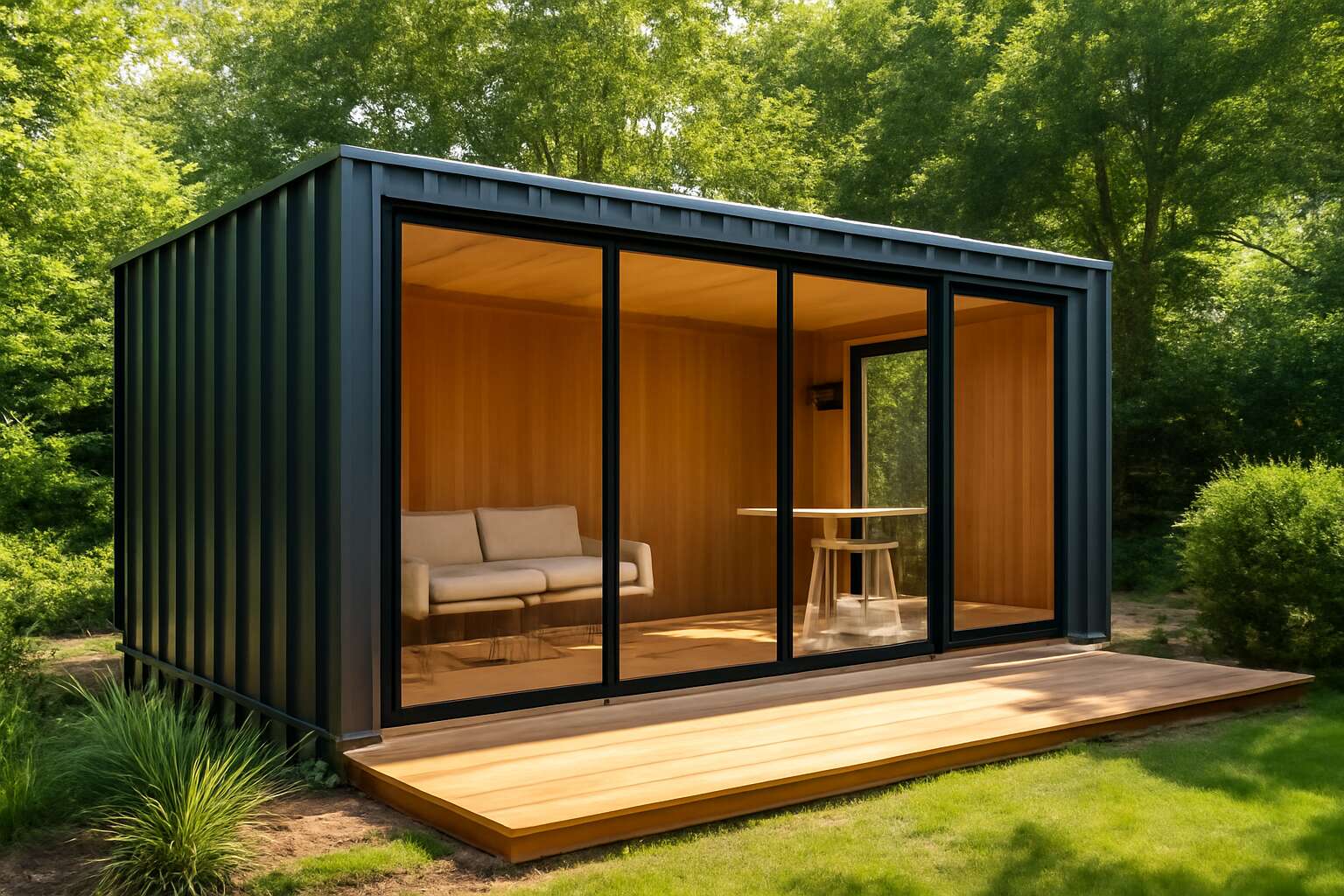
Converted containers: SEO-focused outline for their benefits and applications
Understanding benefits and capabilities of converted containers
Possibility pulses through shells once overlooked, like drums in a winter dusk. In South Africa, projects that repurpose shipping forms cut timelines by up to 40% and slash waste. ‘Space is a heartbeat,’ a client once told the team, and these steel-ready shells keep time with that rhythm, ready to host pop-up shops, classrooms, or cozy offices. The magic resides in modular design: simple, transportable, and surprisingly warm. The term converted containers feels like a quiet spell for cities at play.
These features translate into tangible advantages for SA spaces—campus hubs, retail kiosks, and community clinics alike.
- Sustainability through repurposed materials and reduced waste
- Rapid deployment and modular scalability for varied spaces
- Flexible interiors with clever insulation and customizable layout
In SA towns and campuses, these shells invite daylight and commerce to share the same street, with resilience that stands through seasons.
Design and build considerations for converted containers
In SA, modular builds cut lead times dramatically, a punctual miracle for projects with deadlines, and we see converted containers set the pace—steel shells that welcome daylight and imagination, and refuse to sweat the small stuff.
- Structural reinforcement for wind and transport
- Thermal performance through insulation and reflective cladding
- Service routing: electrical, plumbing, and HVAC
- Foundations and anchoring for varied sites
- Local compliance and safety integration
Design choices must honor SA climates: corrosion resistance, ventilation, and finishes that endure dust and rain. When thoughtfully executed, converted containers become daylight-friendly, durable hosts for clinics, classrooms, and kiosks.
Applications and use cases of converted containers
Lead times in SA projects can shrink by up to 60% with modular strategies, and converted containers stand at the helm—steel shells that invite daylight, discipline, and a dash of defiance toward weather’s whims. They aren’t merely fast; they’re adaptable settings that stay polished when deadlines threaten to derail the best-laid plans.
Here are prime use cases that demonstrate their versatility and ROI:
- Healthcare spaces: clinics and mobile diagnostic hubs
- Educational facilities: classrooms and training venues
- Retail and community: kiosks and pop-up stores
- Remote-site amenities: offices, storage, and worker facilities
In SA’s dusty winds and sudden rains, these shells resist corrosion, channel daylight, and remain durable hosts for evolving needs without fuss.
Sustainability, permits, and maintenance for converted containers
In South Africa, speed and stewardship do not have to compete. A converted containers solution can turn idle space into usable rooms in a fraction of traditional builds, while treading lightly on the environment. The formula hinges on durability, thoughtful insulation, and long-term maintenance that keeps the shell pristine as needs evolve. It’s a quiet revolution: modular, adaptable, and relentlessly practical in the heat, dust, and rain.
Sustainability, permits, and upkeep anchor every project—three pillars that shape cost, compliance, and long-term value.
- Permits and compliance: zoning, occupancy, and welfare requirements for converted containers
- Environmental performance: insulation, daylight design, and corrosion resistance for SA’s climate
- Maintenance plan: routine inspections, sealing, and component replacement to sustain performance
With attention to these elements, SA operators gain spaces that endure, adapt, and look sharp despite wind and rain.

0 Comments