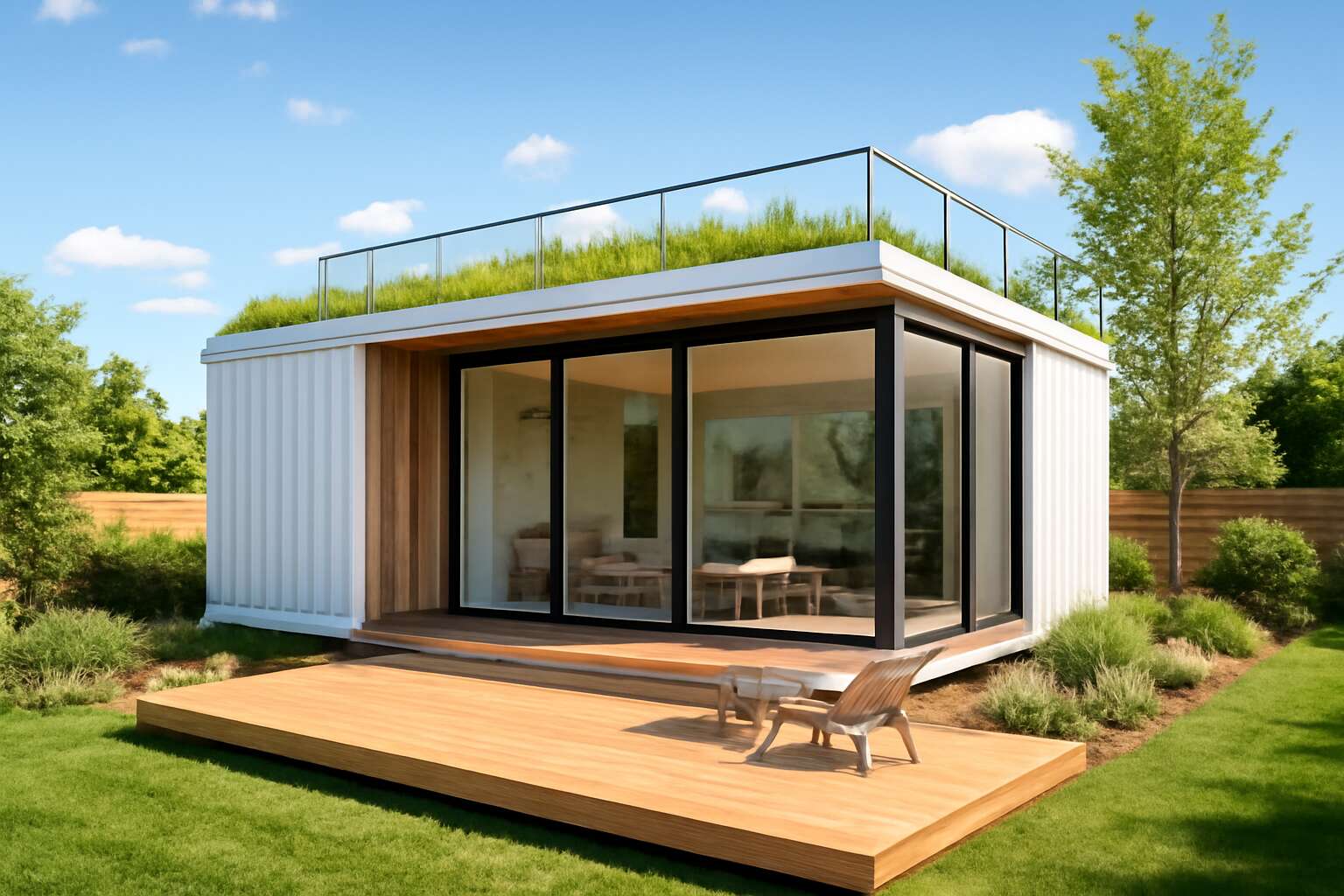
Container Homes: A Practical Outline
Site Selection and Zoning for Container Homes
Container homes are no longer curiosities; they’re pragmatic, punchy, and surprisingly comfy. In South Africa, containers converted to homes are turning underused plots into stylish, budget-friendly havens—proof that a clever footprint can outshine square footage in the best way possible.
Practical outline for site selection and zoning centers on sun, wind, and the rhythm of the street. In SA, local authorities shape what counts as a home on a container—so alignment with zoning and by-laws matters as much as the design itself.
- Local zoning and building codes in your SA municipality
- Heritage overlays and neighborhood character
- Utility access, drainage, and future expansion potential
With the right plot and compliant plans, a modest container can host a cosmopolitan interior and a view that makes a sunrise jealous—a small package, big possibilities.
Container Modification and Materials
Urban land is precious in SA, and modular thinking reshapes the map. A Cape Town designer calls a container a canvas. These days, containers converted to homes prove small footprints can hold big ideas.
Container modification begins with form and function: selecting insulation, reinforcing frames, ensuring moisture management, and planning for airflow. Materials must resist heat, humidity, and termites, while keeping interiors bright and comfortable.
- Structural reinforcement for openings
- Insulation choices and moisture barriers
- Exterior cladding options
From light timber to steel, interior finishes reveal SA’s bright light—polymer composites, bamboo, baked clay plasters, and smart ventilation. The aim is texture and warmth, not weight, so the home breathes with the land and sun.
Choose longevity, local supply, and street rhythm; these threads stitch a modest shell into a lasting home.
Interior Design and Layouts
In Cape Town’s sunlit spines, a container is a canvas—an idea waiting for space to breathe. A Cape Town designer calls it that, and the intuition rings true: compact living can feel expansive when light and material meet gracefully. The result is interiors that glow with warmth and quiet purpose.
Interior design leans into measured zones, with walls that shift your sense of scale. A compact kitchen, a living area, and a sleeping nook stack vertically, while clerestory light and smart ventilation brighten and refresh.
- Flexible zones for living, dining, and work
- Storage that doubles as furniture
These choices help containers converted to homes become generous spaces, alive with texture and rhythm.
Cost, Sustainability, and ROI
A recent South African survey shows 60% of buyers want speed and sustainability in one package. Containers converted to homes deliver both with far less drama than a conventional build. The shell goes up fast, and the real trick is shaping interiors that feel generous—light, texture, and a touch of whimsy backed by solid engineering.
Cost, sustainability, and ROI aren’t vague buzzwords here. They’re the metrics guiding every choice. The practical outline includes upfront capex, foundation tweaks, and finishing. On the sustainability front, better insulation, air-tight envelopes, and the possibility of solar readiness pay dividends over time.
- Foundations and site works
- Structural modifications
- Energy-efficient interiors
ROI shows up as resale value, lower running costs, and the elasticity to reconfigure spaces as needs shift. When treated as a long-term asset, containers converted to homes prove more than a novelty—they become a smart, evolving South African dwelling.


0 Comments